

Home health aides spend their shifts doing much more than basic patient care. They may help clients with bathing and dressing, prepare meals, assist with mobility, complete light household tasks, and travel between different homes throughout the day. Because the work is so active, what they wear can make a real difference in comfort and convenience.
That is where home health aide scrubs come in. While scrubs are not always required for every home care position, they are a practical choice for many caregivers thanks to their comfortable fit, easy-care fabrics, and useful pockets.
In this guide, we’ll look at whether home health aides need to wear scrubs, what features matter most, and how to choose a scrub set that can keep up with long, busy shifts.
Understanding Home Health Aides and Scrubs
What Is a Home Health Aide?
A home health aide, often called an HHA, is a caregiver who helps people with everyday activities in their own homes. They often work with older adults, people with disabilities, or individuals recovering from illness or surgery.
Their responsibilities can include helping with bathing and dressing, preparing meals, assisting with mobility, doing light housekeeping, and providing general companionship. Depending on the role and employer, some home health aides may also help with basic health-related tasks under supervision.
Because this work takes place in clients' homes rather than in a hospital or clinic, home health aides often need clothing that is comfortable, practical, and suitable for a wide range of activities.
Do Home Health Aides Wear Scrubs?
Many home health aides wear scrubs, but they are not required in every home care job. Dress codes usually depend on the home health agency or employer.
Some agencies require scrubs because they create a professional, recognizable appearance and are practical for hands-on care. Others may allow business-casual clothing or another approved uniform, particularly when the goal is to make the care environment feel less clinical.
Before buying scrubs for work, home health aides should always check their employer's dress code, including any requirements for specific styles or colors.
Why Scrubs Are a Practical Choice for Home Health Aides
Even when they are optional, scrubs can be a particularly practical choice for home health aides because the job involves so much movement. A typical shift may include bending, reaching, walking, helping a client stand or transfer, completing household tasks, and driving between different homes.
Scrubs made with flexible stretch fabric can make these movements more comfortable, while lightweight and breathable materials can help during long or physically active shifts. Comfortable waistbands are also useful for caregivers who spend part of the day sitting or driving between clients.
Pockets are another major advantage. Unlike workers in a hospital, home health aides may not have a nurses' station or supply cart nearby. Multiple pockets make it easier to carry small essentials such as a phone, keys, pens, gloves, or a notebook.
Scrubs are also designed to handle frequent washing and regular wear, making them well suited to hands-on caregiving. On top of that, a coordinated scrub set can help caregivers maintain a clean, professional appearance while still staying comfortable throughout the day.

Why Scrubs Are a Practical Choice for Home Health Aides
Home health work can be surprisingly active. Unlike jobs where healthcare workers spend most of the day in one clinical setting, home health aides may move constantly between caregiving tasks, household activities, and travel. That makes comfort and flexibility especially important when choosing what to wear.
Freedom of Movement
A typical shift may involve bending, kneeling, reaching for supplies, making beds, or helping a client stand and move safely. Clothing that feels restrictive can quickly become uncomfortable during these tasks.
Scrubs made with stretch fabric can make everyday movement easier by allowing more flexibility through the shoulders, waist, hips, and legs. A comfortable fit also helps aides move naturally without constantly adjusting their clothing throughout the day.
Comfort During Long Shifts
Home health aides may spend several hours with one client or travel between multiple homes during a single shift. That can mean a lot of walking, sitting, standing, and driving.
Lightweight, breathable scrubs can help keep caregivers comfortable through changing environments and activity levels. A flexible waistband is also useful, especially during long periods of sitting or driving, because it can provide support without feeling too tight.
Easy-Care Fabric
Home health aide scrubs need to handle regular wear and frequent washing. Fabrics that maintain their shape and resist excessive shrinking, fading, or wrinkling can make everyday care much easier.
Quick-drying materials can also be helpful for caregivers with busy schedules, especially when uniforms need to be washed and worn again frequently. Choosing durable, low-maintenance fabric can help scrubs stay looking neat for longer.
Professional Appearance
Scrubs also help create a clean, recognizable, and professional look. For clients and family members, seeing a caregiver in scrubs can make their role immediately clear without making the outfit feel overly formal.
Matching scrub sets can look polished while still being practical enough for everyday home care. When allowed by the employer, they offer a simple balance between professionalism, comfort, and function.
What to Look for in Home Health Aide Scrubs
The best home health aide scrubs should make everyday caregiving easier, not get in the way. Since the job can involve everything from helping clients move to driving between homes, comfort and function matter just as much as appearance.
Stretchy Fabric
Home health aides spend a lot of time bending, reaching, walking, and assisting clients with mobility, so flexible fabric can make a noticeable difference.
Two-way stretch fabric moves in two directions, while four-way stretch moves both horizontally and vertically. For active caregiving, four-way stretch is often the more comfortable option because it follows the body through a wider range of movement.
Look for scrub fabrics that feel flexible without becoming loose or losing their shape after repeated wear.
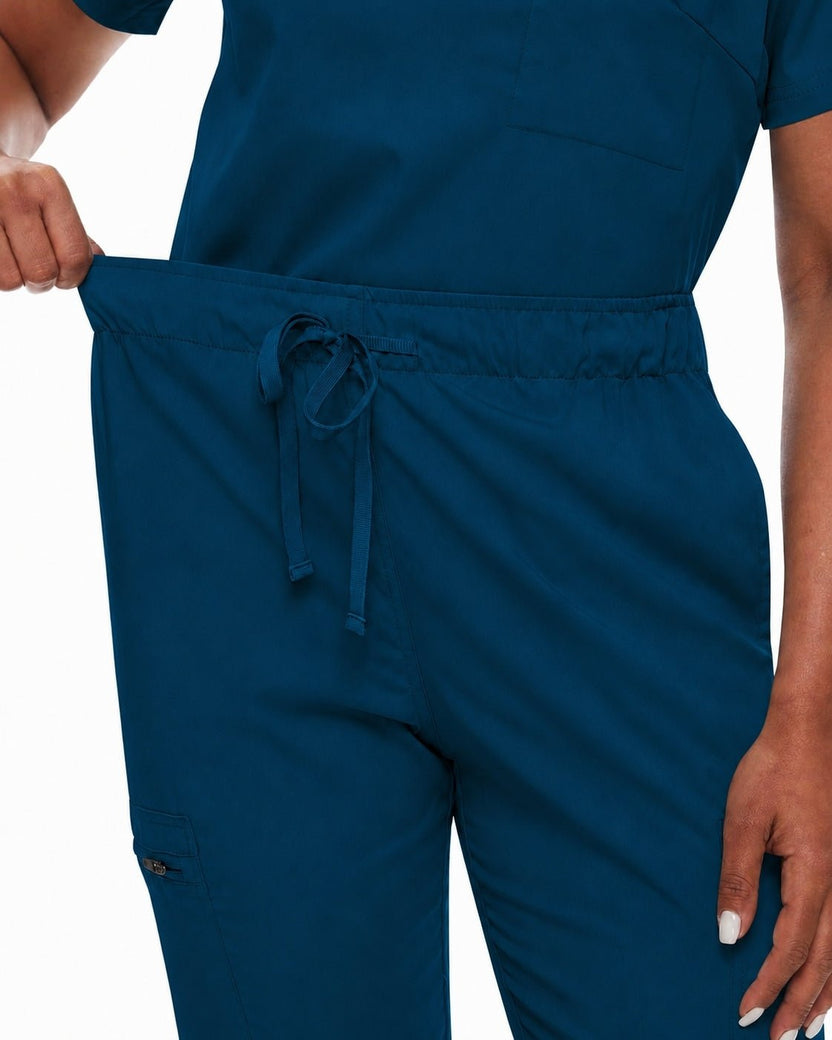
Plenty of Pockets
Pockets are especially useful in home health care because aides may not have a nurses' station, locker, or supply cart nearby.
A good scrub set should offer enough storage for small everyday essentials such as a phone, pens, keys, a notebook, gloves, or other personal items. Cargo pockets can provide extra space, while zipper pockets are useful for keeping valuables or smaller items secure while moving between clients.
The goal is to have enough storage without making the scrubs feel bulky or heavy.
Comfortable Waistbands
A comfortable waistband is easy to overlook until you spend hours sitting, driving, bending, and moving around in the same pair of scrub pants.
Drawstring waistbands allow the fit to be adjusted throughout the day, while elastic and yoga-style waistbands can provide a softer, more flexible feel. Some scrub pants combine elastic with a drawstring for extra security. For home health aides who spend time driving between clients, a waistband that stays comfortable while sitting can be particularly important.
Breathable and Lightweight Material
Home health aides work in many different environments, and the temperature inside one client's home may be completely different from the next.
Lightweight, breathable fabrics can help improve comfort when moving between indoor and outdoor spaces or performing more physical tasks. They can also make layering easier during cooler weather without adding too much bulk. Choosing fabric that feels comfortable across changing temperatures can make long shifts much easier.
A Secure but Relaxed Fit
Scrubs should provide enough room to move freely without being excessively loose. Very baggy clothing can become inconvenient when bending, walking, or assisting a client, while scrubs that are too tight may restrict movement and become uncomfortable over time.
A secure but relaxed fit gives home health aides the freedom to move while still maintaining a neat, professional appearance. The shoulders, waist, hips, and knees are especially important areas to check when trying on scrubs.
Durable Construction
Home health aide scrubs may be worn and washed several times each week, so durability matters.
Look for strong seams, reinforced stitching around pockets, and fabrics that can handle frequent laundering without quickly fading, stretching, or losing their shape. Pockets should also feel secure enough to hold everyday items without pulling away from the garment. Well-constructed scrubs may cost a little more upfront, but they can be more practical over time if they continue to fit and look good through regular use.
Best Scrub Styles for Home Health Aides
Once you know which features matter most, the next step is choosing a scrub style that fits the way you work. Home health aides spend a lot of time moving, sitting, driving, and assisting clients, so the best style is usually one that feels comfortable without looking too loose or bulky.
Classic V-Neck Scrub Tops
V-neck scrub tops are a simple and reliable choice for home health aides. They are easy to wear, easy to layer, and offer a clean, professional look that works in almost any home care setting.
A good V-neck top should have enough room through the shoulders and chest for easy movement without feeling oversized. Styles with side vents or stretch fabric can also make bending and reaching more comfortable.
For extra convenience, look for tops with multiple pockets so you can keep small essentials close throughout the shift.

Jogger Scrub Pants
Jogger scrub pants are a practical option for aides who prefer a more fitted look. Their tapered shape keeps excess fabric away from the ankles, which can feel more convenient when walking, climbing stairs, or moving around smaller spaces.
Many jogger styles also include elastic cuffs, stretch fabric, and cargo pockets, making them a good balance of comfort and function.
They can also be useful for caregivers who spend time driving between clients because the flexible fit generally stays comfortable while sitting.
Straight-Leg Scrub Pants
Straight-leg scrub pants offer a more traditional scrub look and can be a good choice for aides who prefer a relaxed fit.
They usually provide plenty of room through the legs, making them comfortable for walking, bending, and standing for longer periods. They also pair easily with most scrub tops and tend to work well in workplaces with more traditional dress codes.
The main thing to watch is length. Pants that are too long can drag on the floor, so choose an inseam that fits properly.
Yoga-Waistband Scrub Pants
Yoga-waistband scrub pants can be especially comfortable for long shifts. The wide, flexible waistband sits smoothly against the body and usually feels softer than a narrow elastic band.
This style works well for home health aides who spend part of the day driving, sitting beside clients, or moving between different tasks. A yoga waistband can also reduce pressure around the waist when bending or sitting for long periods.
For a more secure fit, some styles combine a yoga waistband with a drawstring.
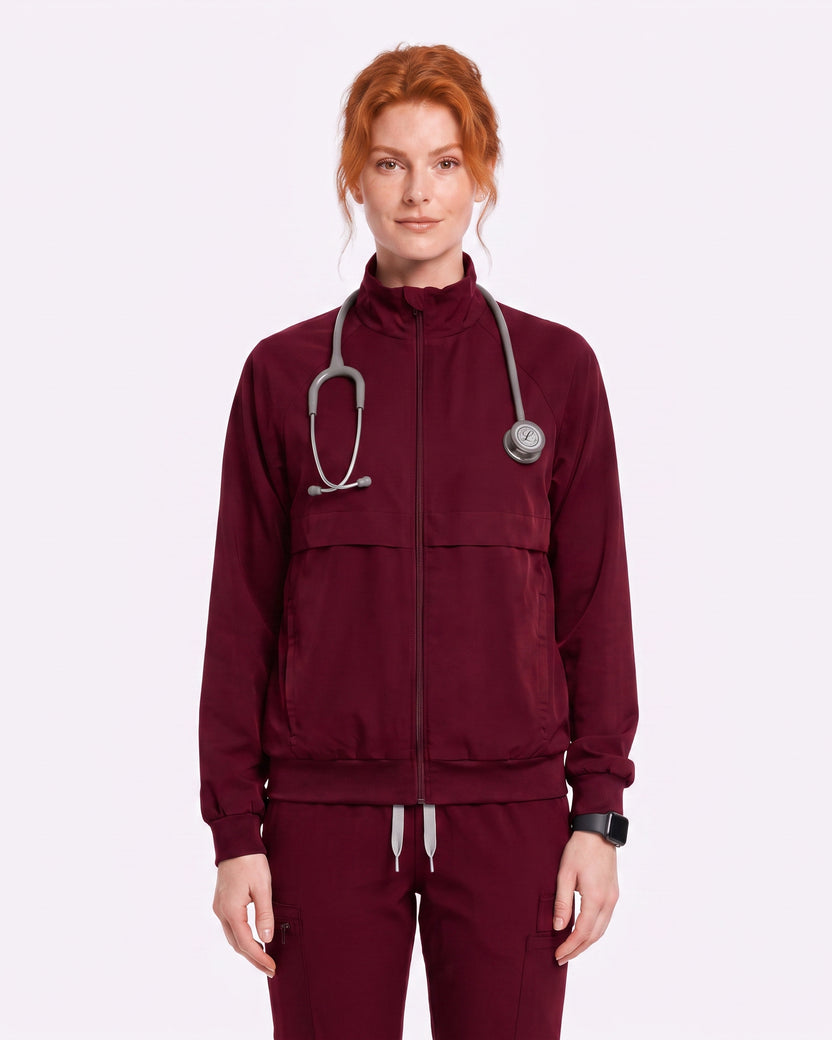
Scrub Jackets
A scrub jacket can be useful for home health aides who work in homes with different temperatures throughout the day.
It provides an easy extra layer without requiring a bulky sweater or coat, and it can be removed quickly when the work becomes more active. Many scrub jackets also include additional pockets, which can be helpful for storing small items.
A lightweight, stretch scrub jacket is usually the most practical option because it adds warmth without restricting movement.
Which Style Is Best?
There is no single best scrub style for every home health aide. The right choice depends on your employer's dress code, personal comfort, and the type of tasks you perform most often.
If you want a more athletic fit, jogger scrub pants may be a good option. If comfort around the waist is your priority, yoga-waistband pants may be better. For a more traditional look, straight-leg pants and a classic V-neck top are a reliable combination.
Whatever style you choose, focus on freedom of movement, practical pockets, and a fit that stays comfortable throughout the entire shift.
Where to Buy Scrubs for Home Health Aides
Home health aides can find scrubs at medical uniform stores, online scrub retailers, department stores, and directly from scrub brands. The best place to buy depends on your budget, preferred fit, and whether your employer has specific requirements for colors or uniform styles.
Before purchasing, check the size chart carefully and look for scrubs designed with active healthcare work in mind. Features such as stretch fabric, multiple pockets, comfortable waistbands, and durable construction can make a big difference during long shifts.
Online shopping can be especially convenient because it gives you access to more colors, fits, and styles than many local stores. It is also easier to compare details such as fabric blends, pocket layouts, inseam options, and customer reviews before choosing a set.
For home health aides who want scrubs built around comfort and everyday function, Long Shift Scrubs offers options designed for long, active workdays. Styles with flexible fabrics, practical pocket storage, comfortable waistbands, and professional color choices can work well for caregivers who spend their shifts moving between clients and handling a variety of tasks.
When choosing where to buy, focus less on finding the cheapest set and more on finding scrubs that fit properly, hold up to regular washing, and remain comfortable from the beginning to the end of your shift.
Final Thoughts
Home health aides need workwear that can keep up with a wide range of tasks, from assisting clients with daily activities to driving between different homes. While scrubs are not required for every HHA position, they can be one of the most practical choices because they offer comfort, flexibility, easy care, and useful storage.
The best home health aide scrubs should fit well, allow easy movement, and stay comfortable through long shifts. Stretch fabric, breathable materials, secure pockets, and a comfortable waistband are all worth prioritizing.
Most importantly, always check your employer’s dress code before choosing a scrub style or color. Once you know the requirements, you can focus on finding scrubs that make the workday feel easier and more comfortable.
FAQs
What color scrubs do home health aides wear?
There is no universal scrub color for home health aides. Navy, blue, gray, black, burgundy, and green are all common professional options, but some agencies may require a specific color.
Can home health aides wear jogger scrubs?
Yes, in most cases, as long as jogger scrubs meet the employer’s dress code. Their tapered fit, stretch fabric, and practical pockets can make them a comfortable option for active home care work.
What shoes should home health aides wear with scrubs?
Closed-toe, supportive shoes with good grip are usually the most practical choice. Since HHAs may spend a lot of time walking, standing, climbing stairs, and driving, comfort and stability are important.
Are scrubs considered PPE for home health aides?
No. Scrubs are work clothing rather than personal protective equipment. The CDC recommends using appropriate PPE when there is a risk of exposure to infectious materials. Gloves, gowns, masks, or eye protection may still be required for certain tasks or exposure risks.
How often should home health aides wash their scrubs?
Scrubs should be washed regularly after wear and changed if they become visibly soiled. Always follow the garment care instructions and any laundering or infection-control policies provided by your employer.
